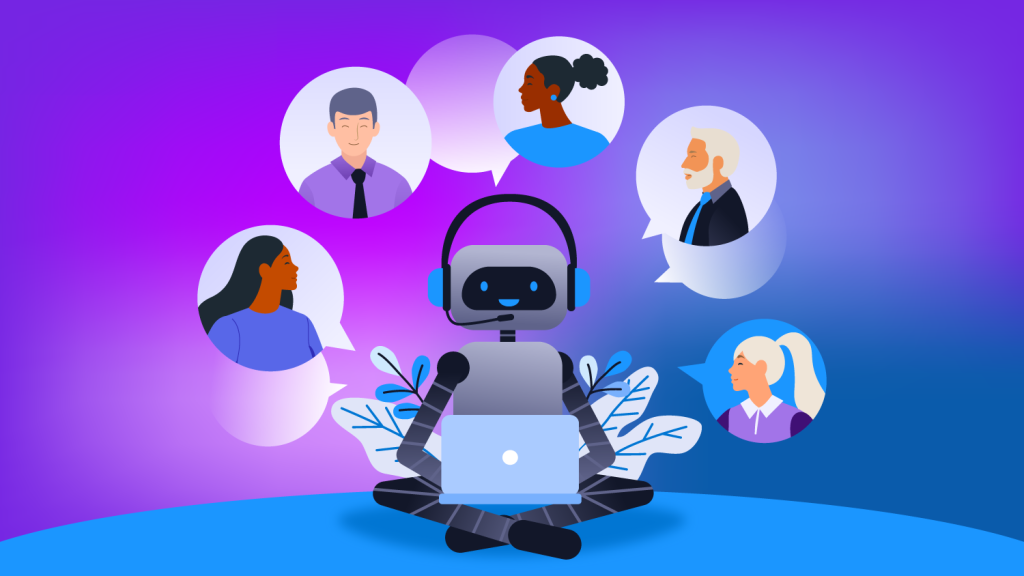

In today’s fast-paced digital world, businesses are constantly looking for ways to enhance customer experiences and streamline operations. One of the most revolutionary tools in this area is the AI chatbot. If you’ve ever interacted with a virtual assistant on a website or app, you’ve experienced the power of artificial intelligence in customer service. In this article, we will dive deep into AI chatbots for customer support explained, how they work, their benefits, and best practices for implementation.
What Are AI Chatbots?
AI chatbots are software programs powered by artificial intelligence that can simulate human-like conversations with users. Unlike basic rule-based chatbots, AI chatbots use natural language processing (NLP) and machine learning algorithms to understand queries, provide relevant responses, and learn from interactions over time.
How AI Chatbots Work
AI chatbots operate using a combination of technologies:
- Natural Language Processing (NLP): This allows the chatbot to understand the intent behind customer queries.
- Machine Learning (ML): The chatbot improves its responses over time by learning from previous interactions.
- Integration with Databases and CRM Systems: AI chatbots can access customer information, order histories, and FAQs to provide accurate and personalized support.
For example, if a customer asks, “Where is my order?” an AI chatbot can retrieve tracking information from the system and respond instantly, creating a seamless customer experience.
Benefits of AI Chatbots for Customer Support
Using AI chatbots in customer support offers a multitude of advantages for businesses and their customers.
1. 24/7 Availability
One of the most significant benefits of AI chatbots is that they never sleep. Customers can get assistance at any time of day or night, reducing wait times and increasing satisfaction.
2. Cost-Effective Solution
Hiring a large customer support team can be expensive. AI chatbots can handle thousands of queries simultaneously, reducing the need for additional human agents and lowering operational costs.
3. Faster Response Times
AI chatbots respond instantly, eliminating the frustration of waiting on hold. Quick responses improve the overall customer experience and can positively impact brand reputation.
4. Consistent and Accurate Information
Unlike human agents, who might provide inconsistent answers due to fatigue or knowledge gaps, AI chatbots provide consistent, accurate, and standardized responses to common queries.
5. Personalized Customer Experience
Advanced AI chatbots can analyze customer data and interaction history to provide personalized recommendations and support, enhancing engagement and loyalty.
Types of AI Chatbots for Customer Support
AI chatbots come in various forms depending on the complexity and purpose. Here are the most common types:
1. Rule-Based Chatbots
These chatbots operate on predefined rules and scripts. They are best suited for handling simple, repetitive queries like FAQs.
Example: A chatbot on an e-commerce site guiding users on return policies.
2. AI-Powered Chatbots
Unlike rule-based bots, AI-powered chatbots use machine learning and NLP to understand user intent and context. They can handle more complex interactions and learn from previous conversations.
Example: A banking chatbot helping customers with account inquiries and transaction history.
3. Voice-Enabled Chatbots
These chatbots interact through voice commands, integrating with virtual assistants like Siri, Google Assistant, or Alexa.
Example: A hotel booking chatbot allowing users to reserve rooms using voice commands.
4. Hybrid Chatbots
Hybrid chatbots combine rule-based scripts with AI capabilities. They provide structured support for common questions while handling more complex queries using AI.
Key Features of AI Chatbots in Customer Support
When evaluating or implementing AI chatbots for customer support, consider these essential features:
- Multi-Channel Support: Chatbots should work across websites, apps, social media platforms, and messaging apps.
- Contextual Understanding: The ability to remember previous interactions for a smooth conversation flow.
- Analytics and Reporting: Insight into customer queries, chatbot performance, and engagement metrics.
- Seamless Human Handoff: Ability to escalate complex issues to human agents when necessary.
- Personalization: Providing responses based on user preferences, purchase history, and behavior.
How Businesses Can Implement AI Chatbots
Successfully implementing AI chatbots involves careful planning and strategy. Here’s a step-by-step approach:
Step 1: Define Objectives
Identify why you need a chatbot. Is it to reduce response time, provide 24/7 support, or increase lead generation? Clear objectives will guide the design and functionality.
Step 2: Choose the Right Platform
Select a chatbot platform that integrates with your website, CRM, and social media channels. Popular platforms include Dialogflow, Microsoft Bot Framework, and IBM Watson Assistant.
Step 3: Design Conversational Flows
Plan potential customer queries and responses. Include greetings, FAQs, troubleshooting guides, and escalation paths for human support.
Step 4: Train the AI Model
Feed your chatbot with relevant data, including product information, customer queries, and scripts. Continuously monitor and train it for better performance.
Step 5: Launch and Monitor
After deployment, track performance metrics such as response accuracy, resolution time, and customer satisfaction. Use this data to refine and improve the chatbot.
Common Challenges of AI Chatbots and How to Overcome Them
While AI chatbots offer numerous benefits, they also come with challenges:
1. Misunderstanding Customer Queries
Sometimes, chatbots fail to understand complex or ambiguous questions.
Solution: Use NLP training with diverse datasets and provide human handoff for unclear queries.
2. Limited Personalization
Chatbots may feel robotic if they cannot personalize responses.
Solution: Integrate CRM data to tailor responses based on customer history and preferences.
3. Integration Issues
Chatbots may not work efficiently if they cannot access databases or third-party tools.
Solution: Ensure proper integration with your existing systems and perform thorough testing before launch.
Real-Life Examples of AI Chatbots in Customer Support
Here are some examples of how businesses use AI chatbots effectively:
- Sephora: Uses a chatbot on Facebook Messenger to provide product recommendations and beauty tips.
- H&M: Offers style advice and assists with online purchases through its AI chatbot.
- Bank of America (Erica): A virtual assistant helping customers with transactions, bill payments, and account management.
These examples illustrate how AI chatbots improve customer engagement while reducing operational overhead.
Future Trends in AI Chatbots for Customer Support
AI chatbots are constantly evolving, and businesses should keep an eye on emerging trends:
- Emotionally Intelligent Chatbots: Bots that can detect customer emotions and adapt responses accordingly.
- AI-Powered Voice Assistants: Enhanced voice capabilities to offer more natural, human-like interactions.
- Predictive Support: Using AI to anticipate customer needs before they even ask.
- Omni-Channel Integration: Seamless interactions across multiple channels without losing context.
These trends indicate that AI chatbots will become even more intelligent, personalized, and indispensable for customer support.
Best Practices for Using AI Chatbots
To maximize the benefits of AI chatbots, follow these best practices:
- Keep it Simple: Avoid overcomplicating chatbot conversations; make them intuitive.
- Provide Human Backup: Always have a human agent ready for complex queries.
- Continuously Improve: Analyze chatbot interactions and refine scripts regularly.
- Ensure Transparency: Inform customers they are interacting with a bot to build trust.
- Focus on User Experience: Prioritize ease of use, clarity, and quick resolution.
Conclusion
AI chatbots are transforming the way businesses handle customer support. From reducing response times to providing personalized experiences, the advantages are clear. By understanding AI chatbots for customer support explained, implementing best practices, and leveraging emerging trends, businesses can deliver exceptional customer service while optimizing operational efficiency.
As technology advances, AI chatbots will continue to play a vital role in shaping the future of customer interactions. If you haven’t considered integrating a chatbot yet, now is the perfect time to explore how this AI-powered solution can elevate your customer support strategy.