
In today’s digital era, businesses and individuals are increasingly leveraging automation to enhance communication and efficiency. One of the most powerful tools driving this shift is chatbot technology. Whether you’re a business owner looking to improve customer service or a curious tech enthusiast, understanding chatbot technology made simple can help you unlock its full potential.
In this article, we’ll break down what chatbots are, how they work, their types, benefits, and how you can implement them effortlessly.
What is Chatbot Technology?
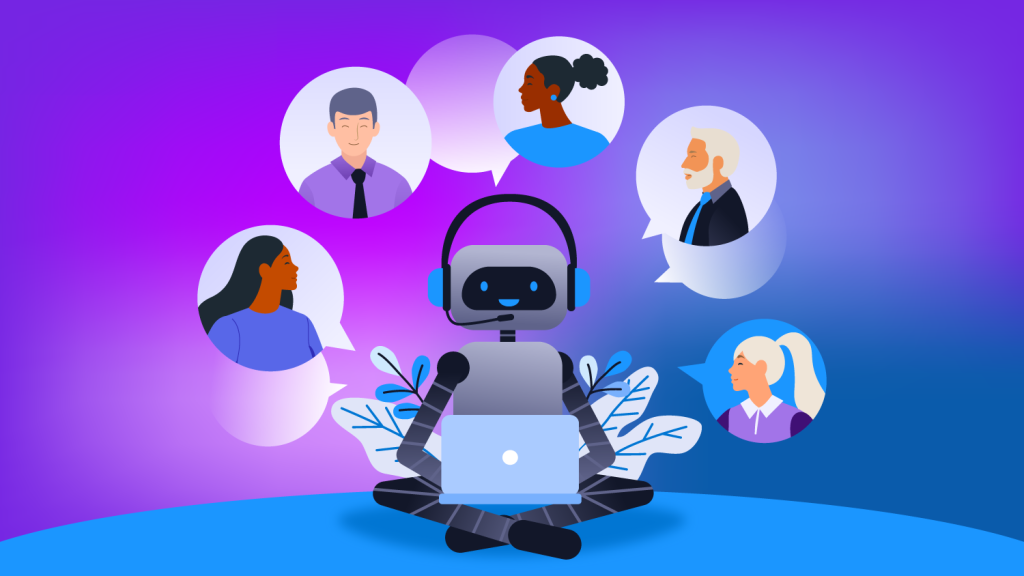
At its core, chatbot technology is software designed to simulate human conversation. Chatbots can interact with users through text, voice, or even visual interfaces. By understanding and responding to user input, chatbots provide information, answer queries, and perform tasks automatically.
For example, when you visit an online store and a chat window pops up asking if you need help, that’s a chatbot in action. Instead of waiting for a human agent, the bot provides instant responses, improving efficiency and user satisfaction.
How Chatbots Work: Making It Simple
Understanding the mechanics of chatbot technology made simple requires looking at two main components:
1. Natural Language Processing (NLP)
NLP allows chatbots to understand human language. It breaks down sentences into smaller pieces, identifies intent, and extracts relevant information. This is why modern chatbots can understand complex questions and provide meaningful answers.
Example: If a user asks, “What’s the weather today in New York?”, NLP helps the chatbot identify “weather,” “today,” and “New York” to give a precise answer.
2. Machine Learning (ML)
Machine Learning enables chatbots to improve over time. By analyzing past interactions, chatbots learn from mistakes and refine their responses. This makes them smarter and more efficient as they continue to interact with users.
Example: A customer support bot might initially struggle with unique product questions but, after multiple interactions, can provide more accurate answers automatically.
Types of Chatbots
Chatbots come in different shapes and functionalities. Understanding these can help you choose the right solution for your needs.
1. Rule-Based Chatbots
Rule-based chatbots follow pre-defined rules and scripts. They can answer only specific questions and are ideal for simple tasks like FAQs or order tracking.
Example: A chatbot that provides your order status or store hours.
2. AI-Powered Chatbots
AI-powered chatbots use machine learning and NLP to understand a wider range of queries. They can handle complex conversations, learn from interactions, and even predict user intent.
Example: Virtual assistants like Siri or Alexa are advanced forms of AI chatbots.
3. Hybrid Chatbots
Hybrid chatbots combine rule-based logic with AI capabilities. They offer the predictability of rule-based systems with the adaptability of AI.
Example: A customer service chatbot that escalates complex queries to a human agent while handling common questions independently.
Benefits of Chatbot Technology
Embracing chatbot technology made simple offers numerous advantages for businesses and users alike:
1. 24/7 Customer Support
Chatbots provide round-the-clock assistance, ensuring users can get answers at any time without waiting for human agents.
2. Cost-Effective
Implementing chatbots reduces the need for large support teams, saving businesses money while maintaining high-quality service.
3. Faster Response Time
Chatbots instantly respond to queries, minimizing delays and improving user experience.
4. Personalization
Advanced chatbots can offer personalized recommendations based on user behavior and preferences, enhancing engagement and satisfaction.
5. Data Collection and Insights
Every interaction with a chatbot provides valuable data. Businesses can analyze this data to understand customer needs, improve products, and tailor marketing strategies.
Practical Uses of Chatbots
Chatbots are not just for big corporations. They are increasingly being used across various sectors.
1. E-Commerce
Chatbots help customers browse products, track orders, and even provide personalized recommendations.
2. Healthcare
Healthcare chatbots can assist with appointment scheduling, provide medical information, and send reminders for medications.
3. Banking and Finance
Banks use chatbots for balance inquiries, transaction history, and basic troubleshooting, providing a faster, secure, and convenient experience.
4. Travel and Hospitality
Travel chatbots can help book flights, provide itinerary updates, and offer local recommendations for tourists.
5. Education
Educational institutions use chatbots to answer queries about courses, deadlines, and online learning resources.
How to Implement Chatbot Technology Easily
Implementing chatbots doesn’t have to be complicated. Here’s a step-by-step guide to make it simple:
Step 1: Define Your Goals
Identify the purpose of your chatbot. Is it for customer support, lead generation, or engagement? Clear goals ensure effective design.
Step 2: Choose the Right Platform
There are several platforms like ManyChat, Tidio, or Chatfuel that offer easy-to-use interfaces for building chatbots without coding knowledge.
Step 3: Design Conversational Flow
Map out potential user queries and chatbot responses. Make sure the conversation feels natural and intuitive.
Step 4: Integrate AI Features
If you want your chatbot to handle complex queries, integrate AI features like NLP and machine learning.
Step 5: Test and Improve
Before going live, test your chatbot thoroughly. Monitor interactions and continuously refine its responses for accuracy and engagement.
Common Challenges and How to Overcome Them
While chatbots are powerful, there are some challenges:
1. Understanding Complex Queries
Not all chatbots can interpret complicated questions. Solution: Use AI-powered chatbots and continuously train them on diverse queries.
2. Maintaining Human Touch
Over-reliance on chatbots can make interactions feel impersonal. Solution: Use hybrid models where human agents handle complex or sensitive issues.
3. Data Privacy Concerns
Chatbots handle user data, raising privacy issues. Solution: Ensure compliance with regulations like GDPR and use secure data management practices.
Future of Chatbot Technology
The future of chatbot technology made simple is exciting. Here’s what to expect:
- More Natural Conversations: Advances in NLP will make interactions indistinguishable from talking to humans.
- Voice-Activated Bots: Voice chatbots will become more mainstream, enhancing accessibility.
- Integration with IoT: Chatbots will interact with smart devices, creating seamless user experiences.
- Predictive Assistance: AI will anticipate user needs and provide proactive support.
Conclusion
Chatbot technology made simple is no longer a luxury but a necessity in the digital world. It streamlines communication, enhances user experience, and offers valuable insights for businesses.
By understanding how chatbots work, exploring their types, leveraging their benefits, and following easy implementation steps, anyone can harness the power of this technology.
Whether you are a small business owner, a tech enthusiast, or an individual seeking efficiency, embracing chatbots will ensure you stay ahead in the fast-evolving digital landscape.
Start simple, experiment, and let chatbot technology transform the way you communicate.