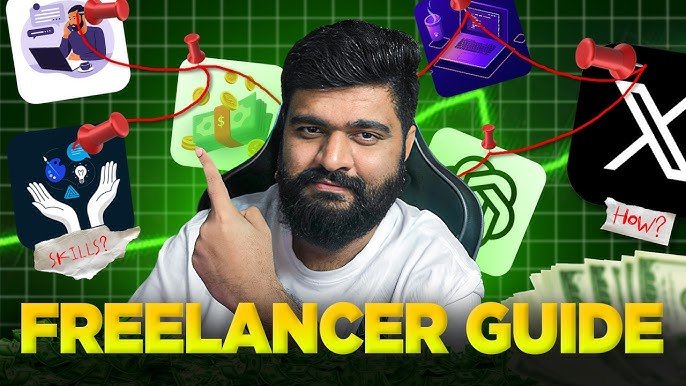

Freelancing has become one of the most popular ways to earn money online, especially for beginners who want flexibility, independence, and the opportunity to work from home. Whether you’re a student, a job seeker, or someone looking to build a side income, freelancing offers endless possibilities.
In this complete guide, “Freelancing for Beginners: Step-by-Step Guide”, you will learn everything you need to start your freelancing journey from scratch—even if you have no prior experience.
What is Freelancing?
Freelancing is a way of working where you offer your skills and services to clients without being permanently employed by a company. Instead of working a 9-to-5 job, freelancers work on projects, set their own schedules, and choose their clients.
Key Features of Freelancing
- Work from anywhere
- Flexible working hours
- Unlimited earning potential
- Opportunity to work with global clients
Why Freelancing is Perfect for Beginners
Freelancing is ideal for beginners because it doesn’t require a big investment or advanced degrees. With just a laptop, internet connection, and a skill, you can start earning.
Benefits of Freelancing
- Low startup cost
- Learn while earning
- Build your own brand
- Freedom and independence
Freelancing for Beginners: Step-by-Step Guide
Let’s break down the process into simple steps so you can start your freelancing journey easily.
Step 1: Identify Your Skills
The first step in freelancing is to identify what skills you can offer. Don’t worry if you think you have no skills—everyone has something valuable.
Popular Freelancing Skills
- Content writing
- Graphic design
- Web development
- Social media management
- Data entry
- Video editing
- SEO services
Pro Tip
Start with one skill and master it instead of trying to learn everything at once.
Step 2: Learn and Improve Your Skill
If you are a beginner, spend time learning and improving your chosen skill.
How to Learn Skills
- Watch YouTube tutorials
- Take online courses
- Practice daily
- Work on small projects
Example
If you want to become a content writer, practice writing blog posts daily and learn SEO basics.
Step 3: Create a Portfolio
A portfolio is a collection of your work that shows your skills to potential clients.
What to Include in Your Portfolio
- Sample work
- Case studies
- Client testimonials (if available)
Tips for Beginners
- Create sample projects if you don’t have clients yet
- Keep your portfolio simple and professional
Step 4: Choose the Right Freelancing Platform
There are many platforms where beginners can find freelance work.
Popular Freelancing Platforms
- Upwork
- Fiverr
- Freelancer
- PeoplePerHour
Which One is Best?
- Beginners often start with Fiverr because it is easier to get clients
- Upwork is better for long-term projects
Step 5: Create a Professional Profile
Your profile is your first impression, so make it strong and attractive.
How to Optimize Your Profile
- Use a professional profile picture
- Write a clear and engaging bio
- Highlight your skills and experience
- Use keywords related to your service
Example Bio
“I am a professional content writer with expertise in SEO-friendly blog writing. I help businesses grow through engaging and optimized content.”
Step 6: Start with Small Projects
As a beginner, don’t aim for high-paying jobs immediately. Start small and build your experience.
Why Small Projects Matter
- Build confidence
- Gain reviews and ratings
- Improve skills
Step 7: Set Competitive Pricing
Pricing is very important in freelancing.
Pricing Tips for Beginners
- Start with low to medium rates
- Increase prices as you gain experience
- Don’t undervalue your work
Step 8: Write Winning Proposals
A proposal is what helps you win clients.
Structure of a Good Proposal
- Greeting
- Understanding of the project
- How you can help
- Your experience
- Call to action
Example
“Hello, I understand you need an SEO blog writer. I have experience in writing optimized articles that rank on Google. I would love to help you with your project.”
Step 9: Communicate Professionally
Good communication is the key to success in freelancing.
Communication Tips
- Reply quickly
- Be polite and respectful
- Ask questions if needed
- Keep clients updated
Step 10: Deliver Quality Work on Time
Your success depends on your work quality.
Best Practices
- Follow client instructions
- Deliver before deadline
- Check for errors
Step 11: Get Reviews and Build Reputation
Positive reviews help you get more clients.
How to Get Reviews
- Deliver excellent work
- Ask politely for feedback
- Maintain good relationships
Step 12: Scale Your Freelancing Career
Once you gain experience, you can grow your freelancing business.
Ways to Scale
- Increase your rates
- Offer multiple services
- Build a personal brand
- Create your own website
Common Mistakes Beginners Should Avoid
Starting freelancing can be challenging. Avoid these common mistakes:
1. Choosing Too Many Skills
Focus on one skill first.
2. Low-Quality Work
Always prioritize quality over quantity.
3. Ignoring Client Instructions
Read project details carefully.
4. Poor Communication
Always stay professional.
5. Giving Up Too Early
Freelancing takes time and patience.
Best Niches for Freelancing in 2026
If you want to succeed faster, choose high-demand niches.
Trending Freelance Niches
- AI content writing
- Video editing
- Digital marketing
- App development
- E-commerce services
How Much Can Beginners Earn?
Earnings depend on your skill, effort, and consistency.
Beginner Earnings
- $50 – $300/month (starting phase)
Intermediate Earnings
- $500 – $2000/month
Advanced Freelancers
- $3000+ per month
Freelancing vs Job: Which is Better?
Both freelancing and jobs have their pros and cons.
Freelancing Pros
- Freedom
- Flexible schedule
- Unlimited income
Freelancing Cons
- No fixed income
- Requires self-discipline
Tips to Succeed Faster in Freelancing
Here are some expert tips to grow quickly:
- Stay consistent
- Learn new skills regularly
- Build strong client relationships
- Focus on quality work
- Never stop improving
SEO Tips for Freelancers
If you want to attract more clients, SEO can help.
SEO Basics
- Use keywords in your profile
- Optimize your gig titles
- Create SEO-friendly content
- Use relevant tags
Future of Freelancing
Freelancing is growing rapidly and will continue to expand in the future.
Why Freelancing is the Future
- Remote work is increasing
- Businesses prefer freelancers
- Digital skills are in demand
Conclusion
Freelancing is one of the best ways to start earning online, especially for beginners. With the right skills, dedication, and strategy, you can build a successful freelancing career.
This “Freelancing for Beginners: Step-by-Step Guide” has covered everything you need to know—from choosing a skill to getting your first client and scaling your business.
Remember, success in freelancing doesn’t happen overnight. Stay patient, keep learning, and stay consistent. With time and effort, you can turn freelancing into a full-time income source.