
The Future of AI Chatbots in Digital Services is one of the most exciting and rapidly evolving areas in technology today. From customer support to healthcare, education, and e-commerce, AI chatbots are transforming how businesses interact with users.
In this in-depth guide, you’ll learn how AI chatbots are evolving, their benefits, real-world applications, future trends, and how they will shape digital services in the coming years.
What Are AI Chatbots?
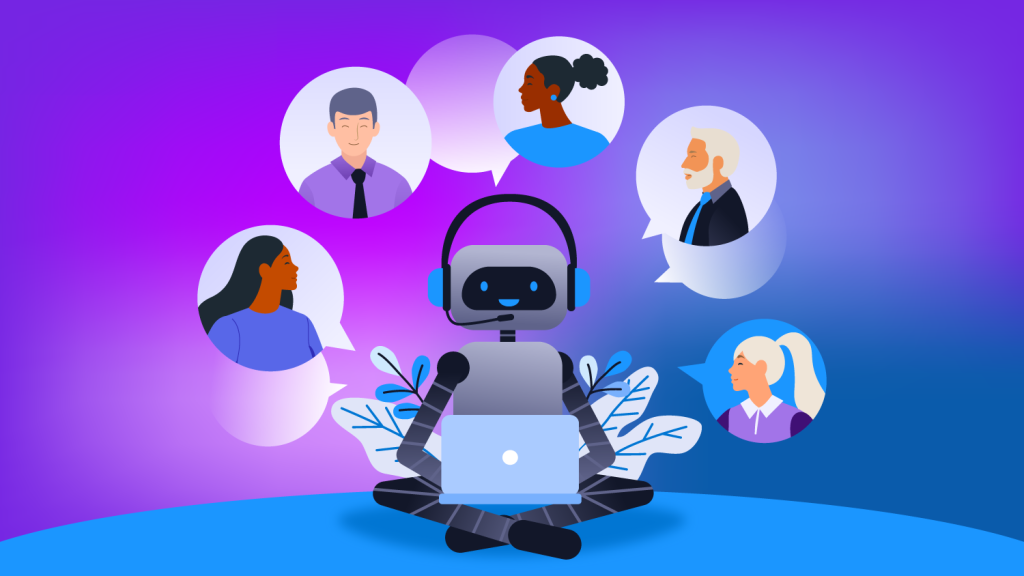
AI chatbots are software programs powered by artificial intelligence that can simulate human-like conversations. They use technologies like:
- Natural Language Processing (NLP)
- Machine Learning (ML)
- Deep Learning
These technologies allow chatbots to understand user queries, provide responses, and continuously improve over time.
Unlike traditional bots, modern AI chatbots are:
- Context-aware
- Self-learning
- Capable of handling complex conversations
Why AI Chatbots Are Important in Digital Services
The rise of digital platforms has increased the demand for instant communication. This is where AI chatbots play a crucial role.
Key Benefits
1. 24/7 Availability
AI chatbots work round the clock without breaks, ensuring users always get support.
2. Cost Efficiency
Businesses reduce operational costs by automating customer service.
3. Faster Response Time
Chatbots provide instant replies, improving user satisfaction.
4. Scalability
They can handle thousands of conversations simultaneously.
5. Personalized Experience
AI chatbots analyze user behavior and deliver customized responses.
Future of AI Chatbots in Digital Services
The Future of AI Chatbots in Digital Services is driven by advancements in AI and growing user expectations. Let’s explore what lies ahead.
1. Hyper-Personalization
Future chatbots will go beyond basic personalization.
What to Expect:
- Real-time behavior tracking
- Personalized product recommendations
- Adaptive conversation styles
For example, an e-commerce chatbot will suggest products based on your browsing history, previous purchases, and preferences.
2. Voice-Based AI Chatbots
Text-based chatbots are evolving into voice assistants.
Future Trends:
- Integration with smart devices
- Natural voice conversations
- Multilingual support
Voice AI will dominate industries like customer service and smart homes.
3. Integration with Multiple Platforms
AI chatbots will become more connected across platforms.
Examples:
- Websites
- Mobile apps
- Social media platforms
- Messaging apps like WhatsApp
This ensures seamless communication regardless of where users interact.
4. Advanced Natural Language Understanding (NLU)
Future chatbots will understand context better than ever.
Improvements:
- Handling complex queries
- Understanding emotions (sentiment analysis)
- Responding with human-like empathy
This will make conversations feel more natural and engaging.
5. AI Chatbots in Healthcare
Healthcare is one of the biggest beneficiaries.
Use Cases:
- Symptom checking
- Appointment scheduling
- Mental health support
- Medication reminders
Future chatbots may even assist doctors in diagnosis.
6. AI Chatbots in E-commerce
The Future of AI Chatbots in Digital Services will heavily impact online shopping.
Features:
- Virtual shopping assistants
- Order tracking
- Instant customer support
- Product recommendations
This improves customer experience and boosts sales.
7. Automation of Business Processes
AI chatbots will automate not just conversations but entire workflows.
Examples:
- HR recruitment processes
- Customer onboarding
- Lead generation
- Data collection
This reduces manual work and increases efficiency.
8. Emotional Intelligence in Chatbots
Future AI chatbots will detect emotions.
Capabilities:
- Identifying frustration or satisfaction
- Adjusting tone accordingly
- Offering empathetic responses
This will significantly improve customer relationships.
9. Multilingual and Global Reach
AI chatbots will break language barriers.
Benefits:
- Support multiple languages
- Serve global audiences
- Expand business reach
This is especially useful for international companies.
10. AI Chatbots in Education
Education will see major transformation.
Applications:
- Virtual tutors
- Homework assistance
- Personalized learning paths
- Instant doubt solving
Students will receive 24/7 support.
Real-World Examples of AI Chatbots
Understanding real-world use cases helps explain the Future of AI Chatbots in Digital Services.
Customer Support Chatbots
Companies use chatbots to handle FAQs, complaints, and service requests.
Banking Chatbots
Banks use AI chatbots for:
- Account inquiries
- Transaction alerts
- Fraud detection
Travel Chatbots
Travel companies use chatbots for:
- Booking tickets
- Providing travel updates
- Customer assistance
Challenges in AI Chatbot Development
Despite their benefits, AI chatbots face challenges.
1. Data Privacy Concerns
Handling user data securely is critical.
2. Lack of Human Touch
Some users still prefer human interaction.
3. Complex Query Handling
Not all chatbots can handle advanced queries.
4. High Development Cost
Advanced AI chatbots require significant investment.
How Businesses Can Prepare for the Future
To stay ahead, businesses must adopt AI chatbot strategies.
1. Invest in AI Technology
Choose advanced AI platforms for better performance.
2. Focus on User Experience
Design chatbots that are easy to use and helpful.
3. Train Chatbots Regularly
Use data to improve chatbot responses.
4. Combine Human + AI Support
Use hybrid systems for better service.
SEO Benefits of AI Chatbots
AI chatbots can also improve SEO performance.
How?
- Increase user engagement
- Reduce bounce rate
- Improve dwell time
- Provide instant assistance
Search engines favor websites with better user experience.
Future Trends to Watch
The Future of AI Chatbots in Digital Services will be shaped by these trends:
1. AI + Augmented Reality (AR)
Chatbots will assist users in AR environments.
2. Predictive AI
Chatbots will predict user needs before they ask.
3. No-Code Chatbot Builders
Businesses will create chatbots without coding.
4. AI-Powered Analytics
Chatbots will provide insights into customer behavior.
5. Human-Like Conversations
Chatbots will become almost indistinguishable from humans.
How AI Chatbots Improve Customer Experience
Customer experience is the key to business success.
Instant Problem Solving
Users get quick answers without waiting.
Consistency
Chatbots provide accurate and consistent responses.
Convenience
Users can interact anytime, anywhere.
Personalization
Customized interactions improve satisfaction.
The Role of AI Chatbots in Digital Transformation
AI chatbots are central to digital transformation.
They Help In:
- Automating operations
- Improving communication
- Enhancing customer service
- Driving innovation
Businesses that adopt AI chatbots early gain a competitive advantage.
Are AI Chatbots Replacing Humans?
A common question in the Future of AI Chatbots in Digital Services discussion.
The Reality:
- Chatbots will not replace humans entirely
- They will assist and enhance human work
- Complex tasks still require human intelligence
The future is collaboration, not replacement.
Final Thoughts
The Future of AI Chatbots in Digital Services is incredibly promising. As AI technology continues to evolve, chatbots will become smarter, faster, and more human-like.
From improving customer support to transforming industries like healthcare, education, and e-commerce, AI chatbots are shaping the future of digital interaction.
Businesses that embrace this technology today will be better positioned for tomorrow.