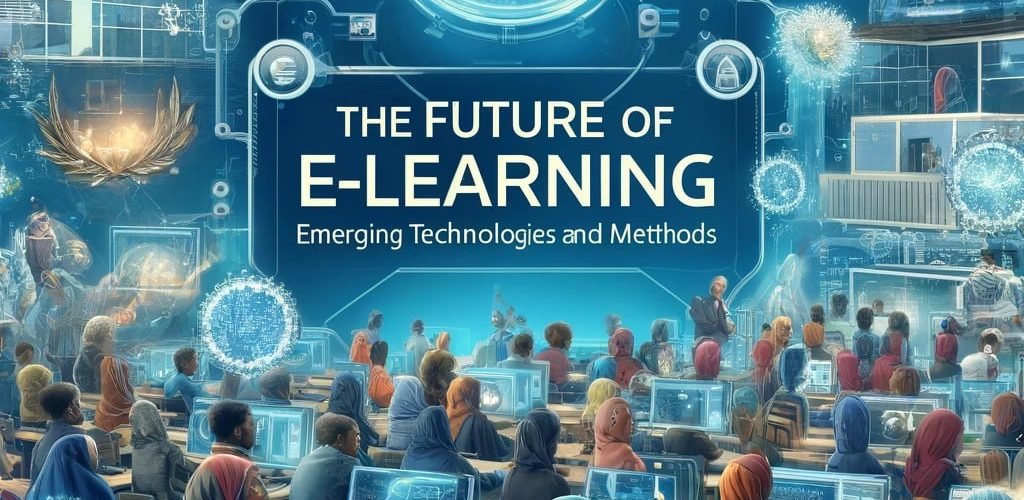

The world of education is undergoing a massive transformation. With technology advancing at an unprecedented pace, traditional learning methods are evolving into smarter, more adaptive systems. One of the most significant drivers of this change is Artificial Intelligence (AI). If you’ve ever wondered how the future of education looks, this article will break it down for you in simple terms. In this post, we’ll explore the future of AI in e-learning explained simply, its benefits, applications, and what it means for learners and educators alike.
Understanding AI in E-Learning
Artificial Intelligence refers to machines that can mimic human intelligence, learn from data, and perform tasks autonomously. In the context of e-learning, AI is used to create personalized learning experiences, automate administrative tasks, and improve the overall efficiency of online education platforms.
By integrating AI, e-learning platforms can analyze students’ progress, understand their strengths and weaknesses, and deliver content tailored specifically to their needs. This ensures a more engaging and effective learning experience compared to traditional one-size-fits-all teaching methods.
Personalized Learning: The Heart of AI in Education
One of the most exciting aspects of the future of AI in e-learning explained simply is personalized learning. AI systems can track a student’s learning behavior and recommend lessons, quizzes, and activities that match their current skill level.
For example, if a student struggles with algebra but excels in geometry, an AI-powered e-learning platform will adjust their curriculum to provide additional support in algebra while allowing them to advance in geometry. This individualized approach enhances understanding, boosts motivation, and reduces the frustration often associated with traditional learning methods.
AI-Powered Tutors and Chatbots
Imagine having a personal tutor available 24/7. AI-powered tutors and chatbots make this a reality. These virtual assistants can answer students’ questions instantly, provide explanations, and even suggest additional learning resources.
For students in remote areas or those studying independently, AI tutors can bridge the gap between classroom and home learning. They ensure learners get timely assistance without waiting for human intervention, making education more accessible and efficient.
Intelligent Content Creation
Creating high-quality learning materials can be time-consuming for educators. AI changes this by helping generate content such as quizzes, summaries, flashcards, and even interactive simulations.
Through natural language processing (NLP) and machine learning algorithms, AI can analyze existing educational resources and create customized content that matches students’ learning preferences. This not only saves time for instructors but also ensures that learners have access to materials that suit their learning style.
Predictive Analytics in E-Learning
Another key benefit of AI in education is predictive analytics. AI systems can analyze data on students’ performance and predict outcomes, such as which students may struggle with certain topics or are at risk of dropping out.
By understanding these patterns, educators can intervene early, providing additional support where needed. Predictive analytics allows for a proactive approach to learning, reducing failure rates and improving overall academic performance.
Adaptive Assessments
Traditional assessments often fail to measure a student’s true understanding. AI introduces adaptive assessments that adjust the difficulty of questions based on a learner’s responses.
For instance, if a student answers a series of questions correctly, the system will present more challenging problems. Conversely, if they struggle, the system provides easier questions to build confidence. This adaptive approach ensures that assessments are fair, accurate, and personalized.
Gamification and Engagement
Keeping learners motivated in an online environment can be challenging. AI enhances e-learning platforms through gamification, offering rewards, badges, and progress tracking based on individual performance.
Gamified learning, combined with AI-driven insights, ensures that students remain engaged, making the learning process enjoyable and effective. The future of AI in e-learning explained simply involves creating a balance between educational content and interactive, game-like experiences.
Reducing Administrative Work
Educators spend a significant portion of their time on administrative tasks, such as grading assignments, tracking attendance, and preparing lesson plans. AI automates many of these processes, allowing instructors to focus on teaching and mentoring students.
Automation not only reduces workload but also minimizes human error, ensuring accurate data and a more organized learning environment.
Supporting Lifelong Learning
Learning is no longer confined to classrooms or formal education. AI-powered e-learning platforms enable lifelong learning by recommending courses, certifications, and skill-building opportunities based on an individual’s career goals and interests.
Whether you’re a professional looking to upskill or a student exploring new subjects, AI can guide you on the best learning path, making continuous education more practical and personalized.
Challenges and Ethical Considerations
While the future of AI in e-learning explained simply is exciting, it’s not without challenges. Privacy and data security are major concerns, as AI systems rely heavily on personal data to function effectively.
Additionally, there’s the risk of over-reliance on AI, which may reduce human interaction, critical thinking, and creativity. It’s essential for educators and platform developers to strike a balance between automation and the human touch in education.
The Road Ahead: What to Expect
The future of AI in e-learning is bright. We can expect AI to become more sophisticated, integrating technologies like augmented reality (AR), virtual reality (VR), and voice recognition to create immersive learning experiences.
Education will become more adaptive, predictive, and personalized than ever before. The future of AI in e-learning explained simply can be summed up as smarter, more accessible, and engaging education for all.
AI will not replace teachers but will empower them to focus on what they do best – inspiring, mentoring, and fostering curiosity in students. Meanwhile, learners will benefit from education that adapts to their unique needs, making learning a more enjoyable and productive journey.
Conclusion
The integration of AI into e-learning is transforming education at every level. From personalized learning and AI tutors to predictive analytics and adaptive assessments, the technology is making education more efficient, engaging, and inclusive.
By understanding the future of AI in e-learning explained simply, students, educators, and institutions can embrace the opportunities AI offers while addressing the challenges responsibly. The coming years will see a revolution in learning, where AI and human creativity work hand-in-hand to unlock the full potential of every learner.
Investing in AI-powered e-learning is not just a trend; it’s a necessary step toward shaping the future of education. As the technology continues to evolve, the possibilities are limitless, ensuring that learners everywhere can access high-quality, personalized education anytime, anywhere.