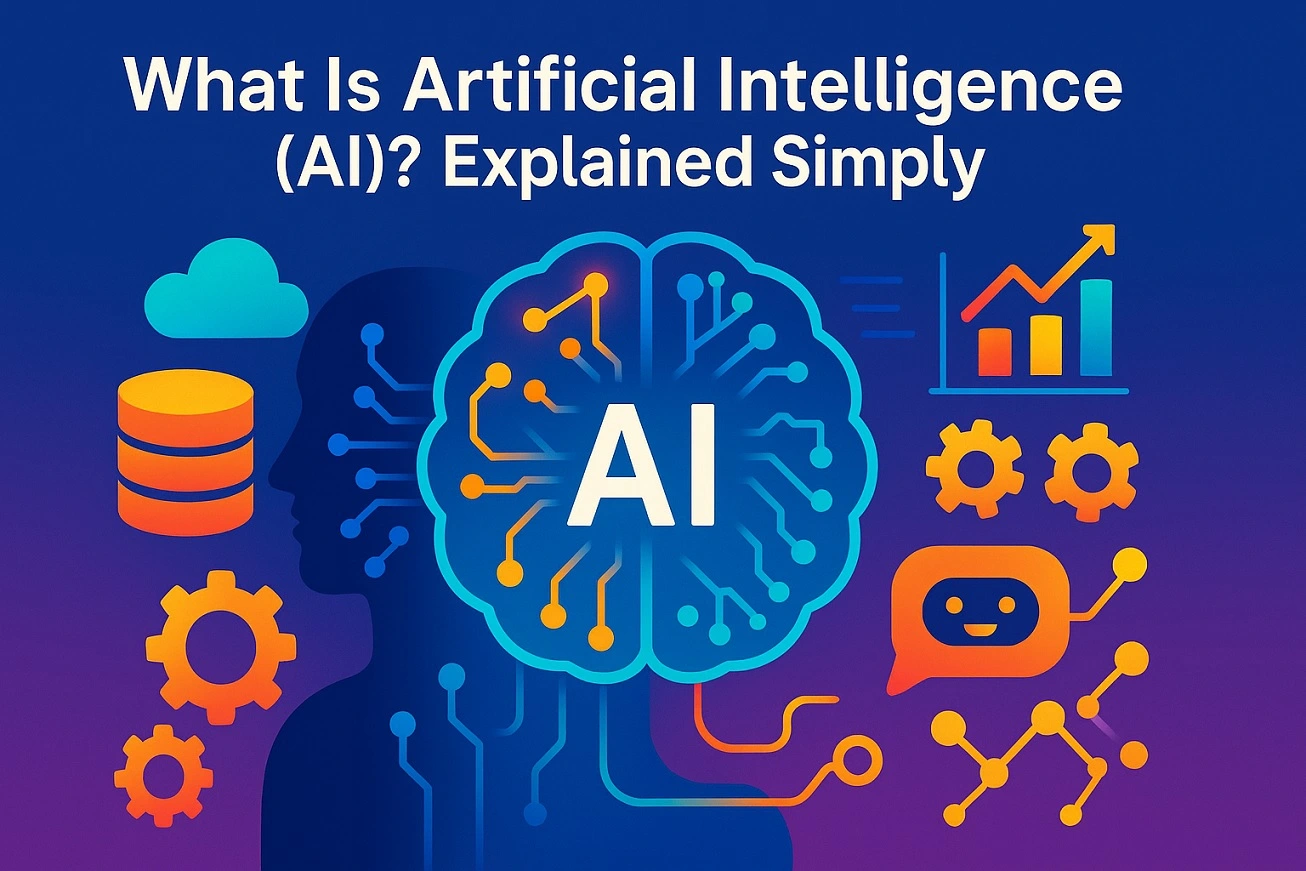

Artificial Intelligence (AI) is no longer a concept confined to sci-fi movies or high-tech labs. Today, AI has become an integral part of our daily routines, making tasks easier, faster, and smarter. But have you ever wondered how AI tools work in daily life? From recommending the perfect playlist to helping businesses make data-driven decisions, AI quietly powers the modern world. In this article, we’ll explore the practical ways AI tools impact our day-to-day activities and why understanding them is more important than ever.
What Are AI Tools?
AI tools are software applications or systems designed to perform tasks that traditionally require human intelligence. These tasks include learning, reasoning, problem-solving, decision-making, and even language understanding. Common examples include virtual assistants like Siri or Google Assistant, recommendation engines on streaming platforms, smart home devices, and automated customer service chatbots.
Understanding how AI tools work in daily life starts with recognizing their core abilities:
- Data Processing – AI can quickly analyze massive datasets that humans cannot process efficiently.
- Pattern Recognition – AI identifies trends and patterns to make predictions or recommendations.
- Automation – AI tools can automate repetitive tasks, saving time and reducing errors.
- Learning and Adaptation – Through machine learning, AI improves over time based on feedback and new data.
AI in Personal Life
AI tools have become commonplace in personal life, often without us even noticing. Here are some everyday examples:
1. Virtual Assistants
Virtual assistants like Amazon Alexa, Google Assistant, and Apple’s Siri are excellent examples of AI in action. They use voice recognition and natural language processing (NLP) to understand commands and respond appropriately. Tasks like setting reminders, sending messages, or checking the weather are made seamless, showing how AI tools work in daily life to increase convenience.
2. Personalized Recommendations
Ever noticed how Netflix seems to know what show you’d like next or how Spotify creates playlists that perfectly match your taste? These are powered by AI recommendation systems. By analyzing your past behavior and preferences, AI predicts what you might enjoy next, enhancing your entertainment experience.
3. Smart Home Devices
From thermostats that learn your temperature preferences to security cameras that recognize faces, smart home devices are a testament to AI’s role in daily life. These devices collect data, analyze patterns, and make adjustments automatically, ensuring comfort, security, and energy efficiency.
4. Healthcare Apps
AI-powered health apps can track your fitness, monitor vital signs, and even provide early warnings for potential health issues. Tools like wearable fitness trackers use AI algorithms to analyze activity levels, sleep patterns, and heart rate, helping users make informed health decisions.
AI in Professional Life
AI isn’t just for personal convenience—it’s transforming workplaces and industries. Understanding how AI tools work in daily life extends to professional applications as well.
1. Automation of Routine Tasks
In offices, AI tools automate repetitive tasks like data entry, invoice processing, and email management. This allows employees to focus on more strategic and creative work, increasing productivity and efficiency.
2. Customer Support
AI chatbots handle customer inquiries 24/7, providing instant responses and resolving common issues. By understanding natural language and analyzing queries, AI tools reduce the workload on human support teams while improving customer satisfaction.
3. Business Analytics
Businesses leverage AI to analyze sales data, predict trends, and optimize marketing strategies. Tools powered by machine learning can detect patterns in consumer behavior, allowing companies to make smarter decisions and stay ahead of competitors.
4. AI in Recruitment
AI tools in recruitment help companies scan resumes, assess candidates, and even conduct preliminary interviews. By evaluating qualifications and matching them to job requirements, AI streamlines the hiring process and ensures better candidate-job alignment.
AI in Daily Communication
Communication has evolved significantly due to AI. Email filters, smart reply suggestions, and language translation tools all demonstrate how AI tools work in daily life to make communication faster and more efficient.
- Email Filters: AI algorithms detect spam or categorize messages, keeping your inbox organized.
- Smart Replies: Predictive text suggestions in Gmail or messaging apps save time while drafting responses.
- Language Translation: AI-powered translation tools like Google Translate break language barriers instantly, facilitating global communication.
How AI Improves Daily Productivity
By integrating AI tools into our routines, productivity improves across personal and professional domains. Key productivity enhancements include:
- Time-Saving – AI automates repetitive tasks, giving more time for creative and high-value activities.
- Decision Support – AI analyzes data to provide actionable insights, supporting better decision-making.
- Personalized Assistance – AI adapts to individual preferences, making workflows smoother and more efficient.
- Error Reduction – AI reduces human errors in tasks such as data entry, scheduling, and calculations.
Ethical Considerations of AI in Daily Life
While AI brings numerous advantages, it also raises ethical concerns. Privacy, data security, and bias in AI algorithms are critical issues. Users should remain aware of how AI tools collect and use personal information and ensure that AI systems are implemented responsibly.
The Future of AI in Daily Life
The potential for AI in daily life continues to expand. From autonomous vehicles to AI-powered personal tutors, the future promises even more integration. Understanding how AI tools work in daily life will become increasingly important as we rely on these technologies for both convenience and efficiency.
Final Thoughts
AI tools are no longer futuristic—they are part of everyday life. From personal assistants and smart home devices to workplace automation and business analytics, AI is reshaping how we live, work, and communicate. By understanding how AI tools work in daily life, we can harness their full potential, improve productivity, and enjoy a more connected, efficient, and intelligent world.