
Artificial Intelligence (AI) is no longer a futuristic concept; it is now a reality shaping the way we live, work, and learn. For students, AI tools can be a tremendous resource, offering everything from automated research help to smart study aids. However, just as with any powerful technology, students must learn how to use AI tools safely to avoid risks and maximize benefits. In this guide, we’ll explore practical strategies, ethical considerations, and safety tips for students who want to leverage AI in their academic journey.
Understanding AI Tools for Students
Before diving into safety measures, it’s essential to understand what AI tools are and how students can use them. AI tools encompass software and applications powered by machine learning algorithms capable of analyzing data, generating content, and providing personalized recommendations. Some common AI tools for students include:
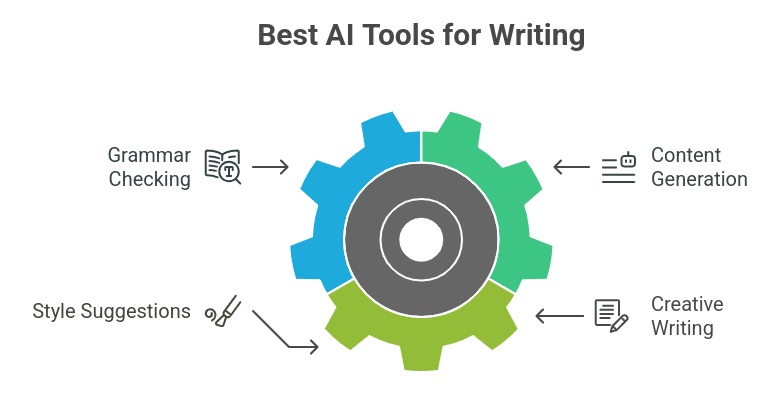
- AI Writing Assistants – Tools that help draft essays, summarize information, or provide grammar suggestions.
- Study and Revision Apps – Platforms using AI to create customized study schedules or flashcards.
- Research Tools – AI that can scan academic papers, generate citations, or summarize research findings.
- Language Learning Assistants – Apps that teach new languages using AI-based exercises and feedback.
- AI Tutors and Chatbots – Tools that provide instant answers or explanations to academic queries.
While these tools are incredibly helpful, improper use can lead to academic dishonesty, privacy risks, or even over-reliance on technology.
Why Safety Matters When Using AI Tools
The digital age offers convenience, but it also comes with potential pitfalls. Understanding why safety is crucial when using AI tools will help students navigate these platforms responsibly:
- Data Privacy Risks: Many AI tools require personal information or access to school accounts. Improper use can lead to data breaches.
- Accuracy Issues: Not all AI-generated information is accurate. Relying solely on AI can mislead students academically.
- Academic Integrity Concerns: Using AI tools to complete assignments without proper guidance can result in plagiarism or violations of academic rules.
- Cybersecurity Threats: Downloading unverified AI apps or tools can expose devices to malware or phishing attacks.
By learning how students can use AI tools safely, these risks can be minimized while still benefiting from the technology.
Tips for Using AI Tools Safely
Here are practical tips students can follow to ensure a safe and responsible experience with AI tools:
1. Choose Reputable AI Tools
Not all AI tools are created equal. Students should select platforms with verified reviews, proper privacy policies, and educational credibility. Websites like Google Scholar or established edtech platforms often integrate AI safely.
2. Protect Personal Information
Avoid sharing unnecessary personal data. If an AI tool requires login credentials or email addresses, consider using a school-provided or separate account dedicated to academic purposes.
3. Cross-Check AI-Generated Content
AI is powerful but not infallible. Always verify facts, citations, and summaries provided by AI tools against trusted sources. This is crucial to avoid misinformation in assignments or research.
4. Understand Academic Rules
Before using AI for homework, essays, or research, students should be aware of their institution’s policies regarding AI usage. Some schools may allow AI for brainstorming but not for writing complete assignments.
5. Limit Screen Time and AI Dependency
While AI tools can accelerate learning, over-reliance can harm critical thinking skills. Balance AI-assisted work with independent study to retain knowledge effectively.
6. Keep Software Updated
Ensure all AI applications are regularly updated to protect against security vulnerabilities. Updates often patch potential threats and improve the AI’s reliability.
7. Educate Yourself About AI Limitations
AI is an aid, not a replacement for human learning. Understanding the limits of AI-generated content ensures students use tools as assistants rather than substitutes for learning.
Best Practices for AI-Powered Study Habits
Using AI tools safely is not only about security; it’s also about maximizing academic benefits. Here’s how students can integrate AI into their study routine responsibly:
1. Use AI for Brainstorming
AI tools can help generate ideas for essays, projects, or presentations. For example, an AI writing assistant can suggest topics or outline structures, but the final content should be crafted by the student.
2. Enhance Time Management
AI-powered planners can help students organize schedules, set reminders, and prioritize tasks. This ensures efficient study habits without overwhelming reliance on technology.
3. Personalize Learning
AI apps often analyze learning patterns to create custom exercises or quizzes. Students can use these tools to focus on areas they struggle with, improving retention and performance.
4. Practice Language Skills
Language learning AI apps provide real-time feedback on pronunciation, grammar, and vocabulary. Using these tools safely can accelerate language acquisition without replacing traditional study methods.
5. Prepare for Exams
AI flashcards, adaptive quizzes, and simulation tools can enhance revision. Cross-referencing AI content with textbooks or notes ensures accuracy and completeness.
Ethical Considerations for Students Using AI
Being ethical in AI usage is just as important as safety. Students must follow these guidelines:
- Avoid Plagiarism: Always credit AI-generated content when applicable and avoid submitting AI work as entirely personal effort.
- Maintain Academic Honesty: Use AI to supplement learning, not to cheat. Misuse can lead to serious academic consequences.
- Respect Intellectual Property: Don’t use AI to replicate copyrighted material without permission.
- Promote Inclusivity: Choose AI tools that avoid biased content or discriminatory language.
These practices ensure students benefit from AI without compromising integrity.
Potential Risks of Misusing AI Tools
Despite the benefits, improper use of AI can have serious consequences:
- Lower Critical Thinking Skills: Relying too much on AI-generated answers can reduce problem-solving abilities.
- Cybersecurity Threats: Unsafe AI applications can introduce malware or phishing attacks.
- Data Misuse: Sharing personal academic data with unsecured AI platforms may lead to identity theft.
- Academic Penalties: Many institutions now have strict rules about AI usage; violations can result in failing grades or suspension.
Understanding these risks reinforces the importance of safe AI practices.
Safe AI Tools Recommendations for Students
Here’s a list of AI tools that students can use safely when used responsibly:
- Grammarly – AI-powered writing assistant for grammar and style corrections.
- Quizlet – Creates AI-enhanced flashcards and quizzes for revision.
- Socratic by Google – Helps with problem-solving and provides explanations for study questions.
- Duolingo – Uses AI to personalize language learning exercises.
- Wolfram Alpha – An AI computational engine ideal for math, science, and research queries.
Always check each tool’s privacy policy and usage guidelines before integrating them into your study routine.
Conclusion: Using AI Safely is Key to Academic Success
AI tools offer a powerful advantage for students, but they are most effective when used safely and ethically. By understanding how students can use AI tools safely, verifying information, respecting academic integrity, and choosing trusted platforms, students can enhance learning without exposing themselves to risks.
In 2026 and beyond, AI will continue to reshape education. Students who learn to integrate AI responsibly will not only improve academic performance but also develop critical digital literacy skills essential for the future.
Remember, AI is a tool, not a replacement for hard work. With proper safety measures and ethical use, students can harness AI to become smarter, more efficient, and well-prepared for the challenges ahead.