
In today’s digital world, smartphone apps have become an essential part of our daily lives. From social media and banking to navigation and entertainment, apps make tasks easier and more convenient. However, these apps often request access to sensitive information like your location, contacts, camera, and microphone. This raises a crucial question: how to change app permissions safely without compromising your privacy or the functionality of your apps.
In this article, we will provide a step-by-step guide to managing app permissions, explain why it matters, and give practical tips to keep your personal information secure.
Why Managing App Permissions Matters
Many apps require permissions to function, but giving them unrestricted access can pose serious risks. Understanding how to change app permissions safely is critical for several reasons:
1. Protect Your Privacy
Apps can collect sensitive data like your location, contacts, or even browsing habits. Limiting unnecessary permissions ensures that your personal data stays private.
2. Reduce Security Risks
Some malicious apps exploit permissions to steal data or install malware. By managing permissions wisely, you reduce the risk of hacks or identity theft.
3. Optimize Device Performance
Apps with unrestricted access can run in the background, consuming battery and memory. Controlling permissions can help your device run more efficiently.
4. Avoid Annoying Ads
Many apps use permissions to track user behavior for targeted ads. Limiting these permissions can reduce intrusive advertising.
Understanding Different Types of App Permissions
Before learning how to change app permissions safely, it’s important to understand the types of permissions apps request. Here are the most common ones:
- Location Access: Some apps need location data for services like maps, weather updates, or local recommendations.
- Camera and Microphone: Social media, video conferencing, and photography apps require these permissions.
- Contacts and SMS: Apps like messaging services or social media might request access to your contacts or messages.
- Storage: Apps may need to read or write files on your device.
- Health Data: Fitness or health apps often access data from sensors or other health applications.
Knowing what each permission does helps you decide which ones are necessary and which can be disabled.
How to Change App Permissions Safely on Android
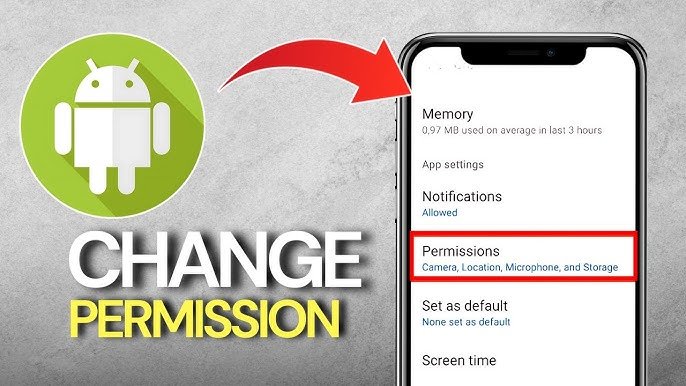
Android provides a flexible permission system that allows you to control app access. Follow these steps to ensure you manage your permissions effectively:
Step 1: Open Settings
Go to your device settings and look for the Apps or Application Manager section.
Step 2: Select the App
Choose the app for which you want to manage permissions.
Step 3: Tap on Permissions
You will see a list of permissions the app currently has access to.
Step 4: Modify Permissions
Toggle the permissions on or off based on necessity. For example, a weather app needs location access but doesn’t require microphone access.
Step 5: Use “While Using App” Options
Many apps allow access only while using the app. This is a safer option compared to giving permanent access.
Step 6: Regularly Review Permissions
Check your apps periodically to ensure no app has more access than it needs.
How to Change App Permissions Safely on iOS
iOS also offers a user-friendly way to control app permissions. Here’s how to do it safely:
Step 1: Go to Settings
Open Settings and scroll to Privacy.
Step 2: Choose the Permission Category
Select categories like Location Services, Camera, Microphone, or Contacts.
Step 3: Modify Permissions
Toggle permissions on or off for each app individually. iOS also offers options like Ask Next Time for more controlled access.
Step 4: Use App Notifications to Monitor Access
iOS sometimes notifies you when an app accesses sensitive information. Use these notifications to adjust permissions accordingly.
Tips for Changing App Permissions Safely
To master how to change app permissions safely, consider these practical tips:
1. Only Grant Necessary Permissions
Ask yourself: does this app really need this permission to function? If not, deny it.
2. Avoid Third-Party App Stores
Third-party stores may offer apps that request unnecessary permissions. Stick to Google Play Store or Apple App Store.
3. Read Permission Requests Carefully
Always read the permission prompt carefully instead of tapping “Allow” automatically.
4. Update Apps Regularly
Developers often release updates that fix security vulnerabilities. Keeping apps updated ensures safer permission management.
5. Use Permission Management Apps
Some apps can monitor other apps’ permissions and alert you if an app behaves suspiciously.
6. Be Wary of “All-in-One” Apps
Apps that combine multiple features often request extensive permissions. Consider whether you really need such apps.
Common Myths About App Permissions
Understanding how to change app permissions safely also involves debunking some common myths:
Myth 1: “All Permissions Are Mandatory”
Not every app needs all the permissions it requests. Many features will work without certain permissions.
Myth 2: “iOS Apps Are Always Safe”
While iOS is generally secure, malicious apps can still appear. Always monitor permissions, even on iPhones and iPads.
Myth 3: “Once Granted, Permissions Cannot Be Revoked”
Both Android and iOS allow you to revoke permissions at any time. You can safely change app permissions whenever needed.
The Risks of Ignoring App Permissions
Ignoring app permissions can lead to serious consequences, including:
- Data Theft: Unauthorized access to personal data.
- Financial Loss: Banking or shopping apps with excessive permissions may be exploited.
- Identity Theft: Personal information like your contacts and emails can be misused.
- Device Performance Issues: Background apps with extensive permissions can slow down your device.
By knowing how to change app permissions safely, you actively reduce these risks.
Advanced Strategies for Safe App Permission Management
For tech-savvy users, here are advanced strategies to enhance your app security:
1. Use Virtual Private Networks (VPNs)
A VPN can mask your IP address and location, making location-based permissions safer.
2. Sandbox Apps
Some Android tools allow you to run apps in a sandboxed environment, limiting access to system resources.
3. Audit Permissions Periodically
Use your phone’s privacy dashboard or security apps to review all app permissions at least once a month.
4. Limit Background Data Access
Restrict apps from accessing data in the background to prevent unwanted data usage.
5. Educate Yourself About App Updates
Understand which updates request new permissions and evaluate whether to allow them.
Conclusion
Learning how to change app permissions safely is essential for protecting your privacy, securing your device, and ensuring optimal performance. By regularly reviewing permissions, granting access only when necessary, and using built-in tools on Android and iOS, you can enjoy your apps without compromising your security.
Your digital privacy is in your hands, and managing app permissions is one of the simplest yet most effective ways to take control. Start today, and you’ll thank yourself tomorrow!