
In today’s digital world, privacy has become more crucial than ever. Android users, in particular, store an enormous amount of personal data on their devices—from messages and contacts to location history and app activity. Unfortunately, without proper attention to privacy settings, this data can be vulnerable to misuse. In this article, we’ll guide you through the privacy settings every Android user should check to keep your personal information secure.
Why Privacy Matters on Android Devices
Android powers billions of smartphones worldwide, offering flexibility and customization. However, with great flexibility comes great responsibility. Many users unknowingly share data with apps, services, or even advertisers. By reviewing and adjusting your Android privacy settings, you can:
- Control who sees your personal data
- Limit unnecessary data collection by apps
- Protect your location and browsing history
- Prevent unauthorized access to sensitive information
Checking your privacy settings every Android user should check ensures a safer, more secure digital experience.
1. App Permissions: Take Control of What Apps Can Access
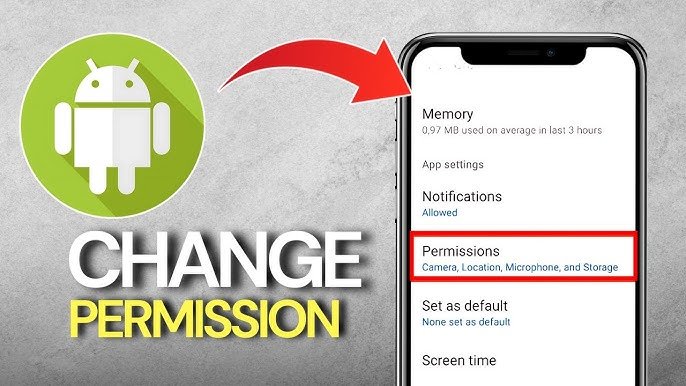
One of the first privacy settings every Android user should check is app permissions. Android apps often request access to your camera, microphone, location, contacts, and more. Granting unnecessary permissions can expose your personal data.
Steps to Review App Permissions:
- Open Settings on your Android device
- Tap Privacy → Permission Manager
- Review permissions for sensitive categories like Camera, Location, Microphone, Contacts, and Storage
- Revoke permissions for apps that don’t need them
Tip: Avoid granting blanket permissions like “Allow all the time” for location access. Instead, choose “Allow only while using the app” to enhance privacy.
2. Location Settings: Stop Unwanted Tracking
Location tracking is essential for navigation apps, but many apps collect your location in the background. Adjusting location settings is a key step in managing your digital footprint.
Steps to Adjust Location Settings:
- Go to Settings → Location
- Turn off Location Access for apps that don’t require it
- Enable Approximate Location instead of precise location where possible
- Review your Google Location History and delete past entries if necessary
By managing location permissions, you’re taking control of who knows where you are, which is one of the most critical privacy settings every Android user should check.
3. Google Account Privacy Settings
Your Google account is the backbone of your Android device. Ensuring your Google account is secure is essential for privacy.
Important Google Privacy Settings:
- Activity Controls: Limit what Google saves about your searches, YouTube activity, and app usage
- Ad Personalization: Turn off personalized ads to prevent Google from tracking your interests
- Account Security: Enable two-factor authentication for added security
Check these settings regularly to stay in control of your digital footprint.
4. Manage App Data Sharing
Many apps share your data with third-party services for analytics, advertising, or social networking. To control this:
- Open Settings → Privacy → Ads
- Enable Opt-out of Ads Personalization
- For social media apps, check in-app privacy settings to limit who can see your posts and profile information
Being proactive about app data sharing is another crucial step in privacy settings every Android user should check.
5. Lock Your Device: Secure Your Phone
Even the best privacy settings won’t help if someone has physical access to your device. Locking your phone with a strong PIN, pattern, or biometric security adds a crucial layer of protection.
Tips for Device Security:
- Use a strong PIN or password rather than a simple 4-digit code
- Enable fingerprint or face recognition for convenience and security
- Set your device to auto-lock after a short period of inactivity
This ensures that your private data remains safe even if your phone is lost or stolen.
6. App Updates and Security Patches
Keeping your apps and Android system updated is essential for privacy. Developers frequently release updates to fix security vulnerabilities.
- Enable auto-update in the Google Play Store
- Check System Updates regularly in Settings → Software Update
- Avoid downloading apps from untrusted sources
Up-to-date software is one of the easiest ways to protect yourself, making it a top privacy setting every Android user should check.
7. Manage Notification Privacy
Notifications can reveal sensitive information on your lock screen. To protect your privacy:
- Go to Settings → Apps & Notifications → Notifications
- Choose Hide sensitive content on lock screen
- Limit notifications for apps containing private messages
Controlling notifications prevents prying eyes from seeing confidential information.
8. Web and Browsing Privacy
Your browsing habits reveal a lot about you. Android users should manage web privacy settings to maintain anonymity online.
- Use Incognito Mode in Chrome for private browsing
- Clear cookies, cache, and history regularly
- Limit third-party cookies in your browser settings
Privacy-conscious browsing complements your Android device settings for complete protection.
9. Manage Cloud Backups
While cloud backups are convenient, they can store sensitive data. Check what you’re backing up and to which services.
- Go to Settings → System → Backup
- Review the apps and data being backed up to Google Drive or other cloud services
- Disable backup for apps storing sensitive data if you prefer local storage
Managing cloud backups is another key item on the list of privacy settings every Android user should check.
10. Consider Privacy-Focused Apps
Beyond Android’s built-in settings, consider using apps that enhance privacy:
- Secure messaging apps like Signal
- Encrypted email apps like ProtonMail
- VPN services for anonymous browsing
These apps help you stay secure in ways that native Android settings sometimes can’t.
Conclusion: Stay Proactive About Privacy
Your Android device contains a treasure trove of personal information, and securing it should be a priority. By reviewing these privacy settings every Android user should check, you take control of your data, minimize tracking, and protect yourself against unauthorized access.
Remember:
- Regularly review app permissions and location settings
- Secure your Google account and enable two-factor authentication
- Lock your device, update apps, and manage notifications
- Be mindful of cloud backups and data sharing
Privacy is not a one-time task; it’s an ongoing process. Staying proactive ensures your Android device remains secure and your personal data stays private.