
Artificial Intelligence (AI) is no longer just a futuristic concept. Today, AI is shaping the way we work, communicate, and even entertain ourselves. If you’ve been wondering “What Are AI Tools? Beginner’s Simple Guide”, you’re in the right place. This guide will break down AI tools in the simplest terms, explain their uses, and help beginners understand why these tools are becoming essential in everyday life.
Understanding AI and Its Impact
Before diving into the tools themselves, it’s important to grasp what AI actually is. Artificial Intelligence is a branch of computer science that enables machines to mimic human intelligence. This includes learning, problem-solving, pattern recognition, and decision-making. AI can process massive amounts of data, learn from it, and perform tasks that traditionally required human intervention.
AI has transformed many industries including healthcare, finance, education, marketing, and entertainment. But the key question for beginners often is, “What Are AI Tools? Beginner’s Simple Guide” – because tools are where the practical applications of AI come alive.
What Are AI Tools?
Simply put, AI tools are software applications or platforms that use artificial intelligence to perform specific tasks. These tools are designed to make complex processes easier, faster, and more efficient. They often employ technologies like machine learning, natural language processing (NLP), and computer vision to achieve their goals.
Some common examples of AI tools include:
- Chatbots and Virtual Assistants: These respond to customer queries automatically.
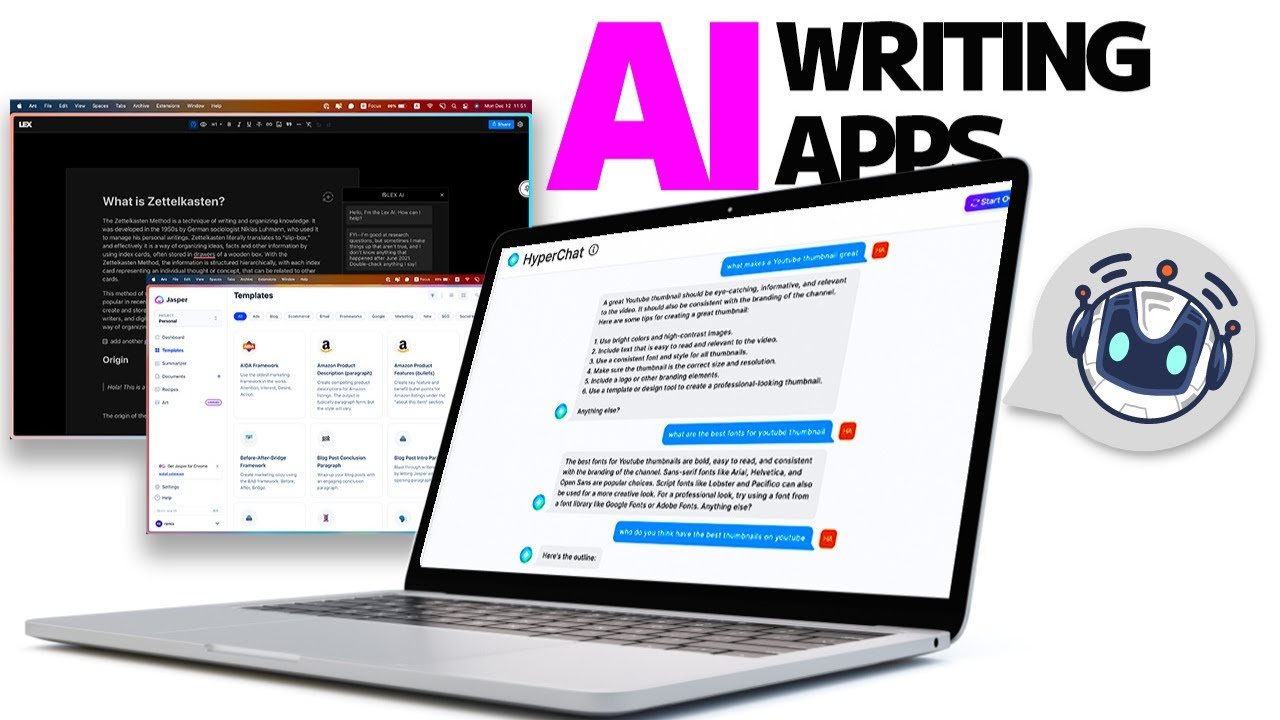
- AI Writing Tools: Tools that help generate content, edit text, or improve writing quality.
- Image and Video Editing Tools: AI can enhance, remove backgrounds, or even create visuals from scratch.
- Data Analysis Platforms: Tools that analyze trends, predict outcomes, and generate reports.
- Voice Recognition Systems: AI that understands spoken language and executes commands.
By understanding “What Are AI Tools? Beginner’s Simple Guide”, you realize that AI tools are not just for tech experts—they are for anyone who wants to save time, increase productivity, and make smarter decisions.
How AI Tools Work
AI tools work by combining algorithms, data, and user input. Here’s a beginner-friendly breakdown:
- Data Input – The tool receives data, which could be text, images, or user commands.
- Processing – AI algorithms analyze the data, recognize patterns, and make decisions.
- Output – The tool provides a result or action based on the analysis.
For instance, consider an AI writing tool. You input a topic, the AI analyzes relevant data, predicts user intent, and generates readable content. Similarly, AI design tools can take a rough sketch or description and produce a polished image.
Benefits of AI Tools for Beginners
If you are new to AI, here’s why AI tools are worth exploring:
- Increased Efficiency – Tasks that would take hours manually can be done in minutes.
- Cost-Effective – Reduces the need for extensive manpower for repetitive tasks.
- Enhanced Creativity – AI can generate ideas, visuals, or content that you might not have thought of.
- Data-Driven Decisions – AI analyzes trends and insights to help you make better choices.
- Accessibility – Many AI tools are beginner-friendly, with simple interfaces and guides.
Understanding “What Are AI Tools? Beginner’s Simple Guide” shows that these tools are not about replacing humans—they’re about empowering them.
Popular AI Tools You Can Start Using Today
Here’s a list of beginner-friendly AI tools across various categories:
1. AI Writing Tools
- Jasper AI – Helps create blog posts, social media content, and marketing copy.
- Grammarly – Uses AI to improve grammar, tone, and readability.
- Copy.ai – Generates marketing content and ad copies quickly.
2. AI Design Tools
- Canva’s AI Features – Offers design suggestions, templates, and automated image editing.
- DALL·E – Generates images from text descriptions using AI.
- Runway ML – AI-powered video and image editing platform.
3. AI Productivity Tools
- Notion AI – Helps with notes, summaries, and task management.
- Trello with AI – Automates project management and reminders.
- Otter.ai – Transcribes meetings and audio notes in real-time.
4. AI Data Analysis Tools
- Tableau with AI Insights – Analyzes business data and trends.
- Power BI – Uses AI to create interactive dashboards and predictive analytics.
- Zoho Analytics – AI-powered data reporting and forecasting.
5. AI Chatbots and Customer Support
- ChatGPT – A conversational AI for answering questions, generating ideas, and learning.
- Drift – AI chatbot for websites to automate customer interaction.
- Intercom – AI-powered customer communication platform.
By exploring these tools, beginners can experience firsthand the power of AI.
How to Choose the Right AI Tool
Choosing the right AI tool can seem overwhelming for beginners. Here are a few tips:
- Identify Your Needs – Are you looking to improve productivity, create content, or analyze data?
- Check User-Friendliness – Look for tools with easy onboarding and tutorials.
- Consider Cost – Many AI tools offer free versions; paid versions have advanced features.
- Read Reviews – Learn from others’ experiences to avoid tools that might not suit your workflow.
- Trial and Experiment – The best way to learn is by trying the tools yourself.
When in doubt, refer back to “What Are AI Tools? Beginner’s Simple Guide” to ensure your choice aligns with your skill level and goals.
Common Myths About AI Tools
Beginners often have misconceptions about AI. Let’s clear a few:
- Myth 1: AI is only for tech experts – False. Many AI tools are designed for beginners.
- Myth 2: AI will replace human jobs – False. AI automates repetitive tasks but humans remain essential.
- Myth 3: AI is always expensive – False. Many beginner-friendly AI tools are free or low-cost.
- Myth 4: AI tools are complicated – False. User-friendly interfaces and tutorials make AI accessible to all.
By debunking these myths, beginners can approach AI with confidence.
Tips for Getting Started with AI Tools
Here are practical tips for beginners:
- Start Small – Begin with one tool and gradually explore others.
- Leverage Tutorials – Watch videos or read guides specific to the tool.
- Practice Regularly – Frequent use helps you understand AI capabilities.
- Join Communities – Many AI tools have forums or groups where beginners can ask questions.
- Keep Learning – AI is constantly evolving, so staying updated is key.
The Future of AI Tools
AI tools are not static—they are evolving rapidly. In the next few years, we can expect:
- Smarter Automation – More tasks being handled with minimal human input.
- AI in Everyday Life – From smart homes to personal assistants, AI will become more integrated.
- Ethical AI – Tools focusing on privacy, transparency, and fairness.
- Advanced Creativity – AI helping artists, writers, and creators in unique ways.
Understanding “What Are AI Tools? Beginner’s Simple Guide” gives you a head start in adopting AI technologies safely and effectively.
Conclusion
Artificial Intelligence is no longer just a concept for the tech-savvy—it’s a practical tool for anyone looking to enhance productivity, creativity, and decision-making. By understanding “What Are AI Tools? Beginner’s Simple Guide”, beginners can confidently explore AI writing assistants, design platforms, data analysis tools, chatbots, and more.
AI tools are here to empower us, not replace us. Starting small, experimenting, and continuously learning will allow you to harness the full potential of AI in both personal and professional life. So, take the first step today and explore the world of AI tools—you’ll be amazed at what’s possible!